Importing from China Under GPSR: Full Duties List
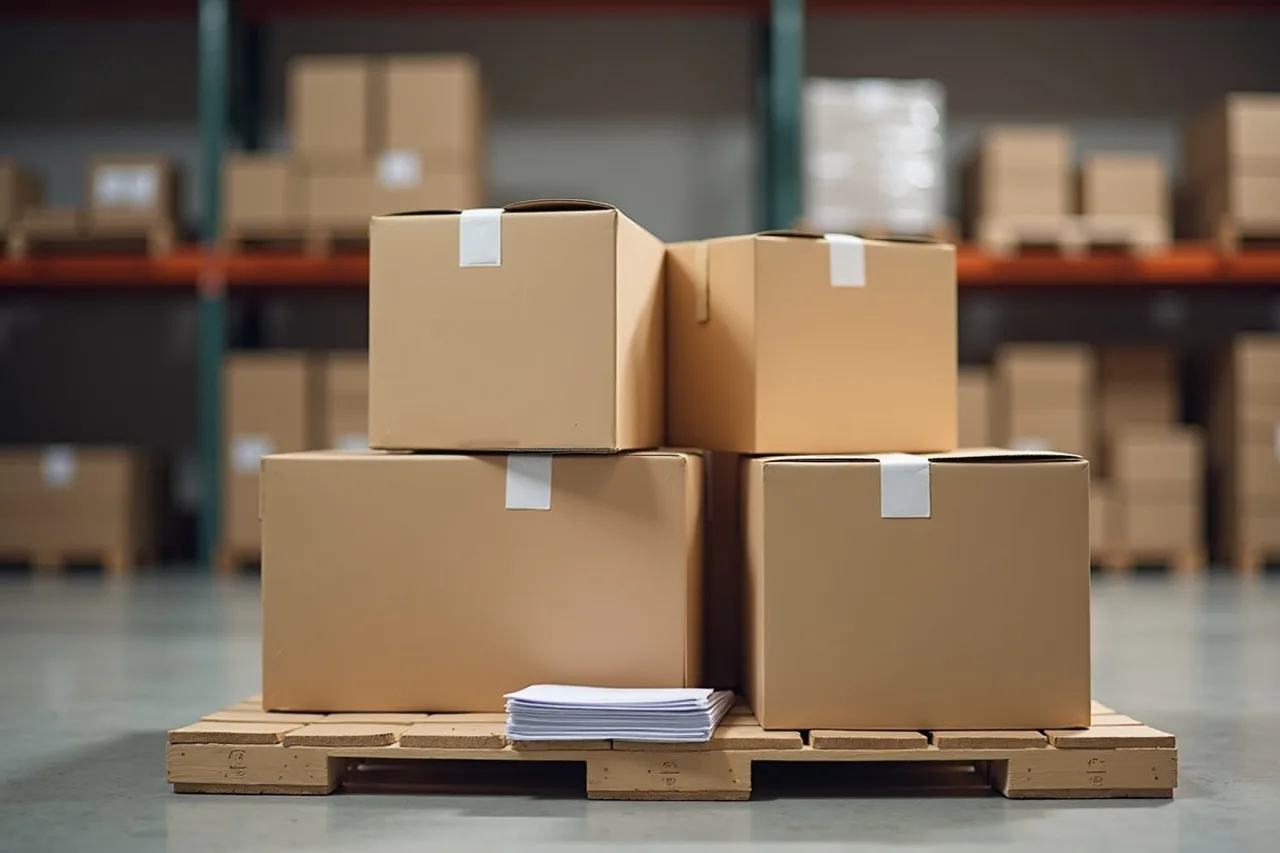
You ordered 500 wardrobe organisers from a Chinese factory, paid the freight, picked up the parcels from the courier terminal, and listed them on Allegro.
You ordered 500 wardrobe organisers from a Chinese factory, paid the freight, picked up the parcels from the courier terminal, and listed them on Allegro. From an accounting standpoint, you're a seller. From the standpoint of Regulation (EU) 2023/988 (GPSR), in force since 13 December 2024, you're an importer - a much more serious role. An importer under GPSR isn't "the one who brought it in" - it's an operator who takes on a substantial part of the manufacturer's responsibility.
This article is a complete list of duties for an importer from China: what you need before publishing a listing, and what you must keep doing throughout the sale.
Key takeaways
- By bringing a product in from outside the EU and making it available to consumers, you become an importer under GPSR.
- When there's no manufacturer or authorised representative in the EU, you are the responsible person (Article 16 GPSR) with your own importer duties (Article 11); you're treated as the manufacturer only under Article 13 (own brand or substantial modification).
- You must have technical documentation, a risk assessment, Polish warnings, and a label with your details.
- You keep the documentation for 10 years from placing the product on the market.
When you are the importer
You're the importer when you place on the EU market a product originating from outside the Union. It doesn't matter whether you bought it from a factory, on Alibaba, or on AliExpress - if you're the one bringing it into the EU and making it available to consumers, you're the importer. Full stop.
Distinguish this from the distributor role: a distributor sells a product someone else has already placed on the EU market. If you buy from a Polish wholesaler that imported the goods itself, you're a distributor (lighter duties). If you buy directly from China, you're the importer.
Full list of importer duties
| Duty | What specifically |
|---|---|
| Checking the manufacturer | Make sure the manufacturer carried out a risk assessment and prepared technical documentation |
| Technical documentation | Hold a copy, make it available to authorities on request, keep it for 10 years |
| Identification data | Put your name and address as importer on the product/packaging |
| Warnings and instructions | Ensure they're included in Polish |
| Transport and storage safety | Conditions must not compromise the product's safety |
| Response to non-conformity | Recall, informing authorities, reporting to Safety Gate |
| Traceability | Know who you bought from and who you sold to |
Importing from China and missing any of these documents?
GPSRReady gives you the complete importer package: technical documentation, risk assessment, Polish warning and label templates, and a traceability procedure. Instead of reading the regulation late at night, you fill in ready-made templates and publish a listing that complies with GPSR.
When you're treated as the manufacturer - and when "only" as the responsible person
This is the most important point for an importer from China. GPSR is clear: if no manufacturer or authorised representative established in the EU is responsible for the product, their duties fall on the importer. And a Chinese manufacturer outside the EU doesn't fulfil these duties.
As a result, an importer from China usually also has to carry out the manufacturer's tasks:
- carry out a risk assessment (if the manufacturer didn't do it or didn't share it),
- ensure complete technical documentation,
- draft warnings and safety instructions.
The mechanism is explained in detail in Importer as manufacturer - when you take on the duties.
Technical documentation - what it should contain
Technical documentation is a body of evidence that the product is safe. For a typical product from China, it includes:
- a product description, model, variant, batch number,
- a risk assessment (identified hazards and mitigating measures),
- a list of applied standards and requirements,
- test reports / certificates (where relevant for the category),
- warning, instruction, and label templates,
- manufacturer and importer details.
How to extract some of these materials from your supplier is covered in How to get documentation from a Chinese manufacturer.
Traceability in the supply chain
GPSR requires a product to be traceable "one step back and one step forward". As importer, you must be able to identify:
- who you bought from (the specific supplier in China, invoice, contract),
- who you sold to (for retail sales - sales records),
- how to identify the batch (batch/lot number on the product).
Without this, if a problem arises, you as the importer are the one the authority will hold to account - under GPSR you are the responsible person (Article 16) with your own verification duties (Article 11).
Customs clearance and GPSR
GPSR compliance isn't the same as customs clearance, but the two overlap. Customs authorities can hold goods that don't meet safety requirements. The relationship is explained in Customs clearance and GPSR product compliance.
Frequently asked questions
As importer, do I have to repeat tests the Chinese manufacturer already did?
You don't have to repeat them if the manufacturer carried them out and you have credible reports and can verify their adequacy. However, you must hold the technical documentation and risk assessment. If the manufacturer didn't provide them or they're unreliable, you take on this duty and must arrange them yourself.
How long do I need to keep the documentation?
For 10 years from the moment the product is placed on the market. Market surveillance authorities can request it at any time during that period.
Does importing a few units "as a trial" also fall under GPSR?
If you make them available to consumers (sell them), yes - scale doesn't matter. GPSR has no quantity threshold for importer duties in consumer sales. Even a single Allegro listing must be compliant.
What's the difference between an importer and a distributor under GPSR?
An importer places a product from outside the EU on the Union market and has broad duties, including technical documentation. A distributor sells a product already placed on the EU market and has narrower duties (including checking markings, warnings, and traceability). Buying directly from China makes you the importer.